Impact Snapshot: Feeding Program
Published Wed, Aug 26, 2026
Written by Ellie Rodriguez
What 3 Meals a Day Make Possible
For students at EduNations’ Senior Secondary Boarding School in Sierra Leone, three meals a day provide more than nourishment. They provide consistency in a place where food wasn’t always available.
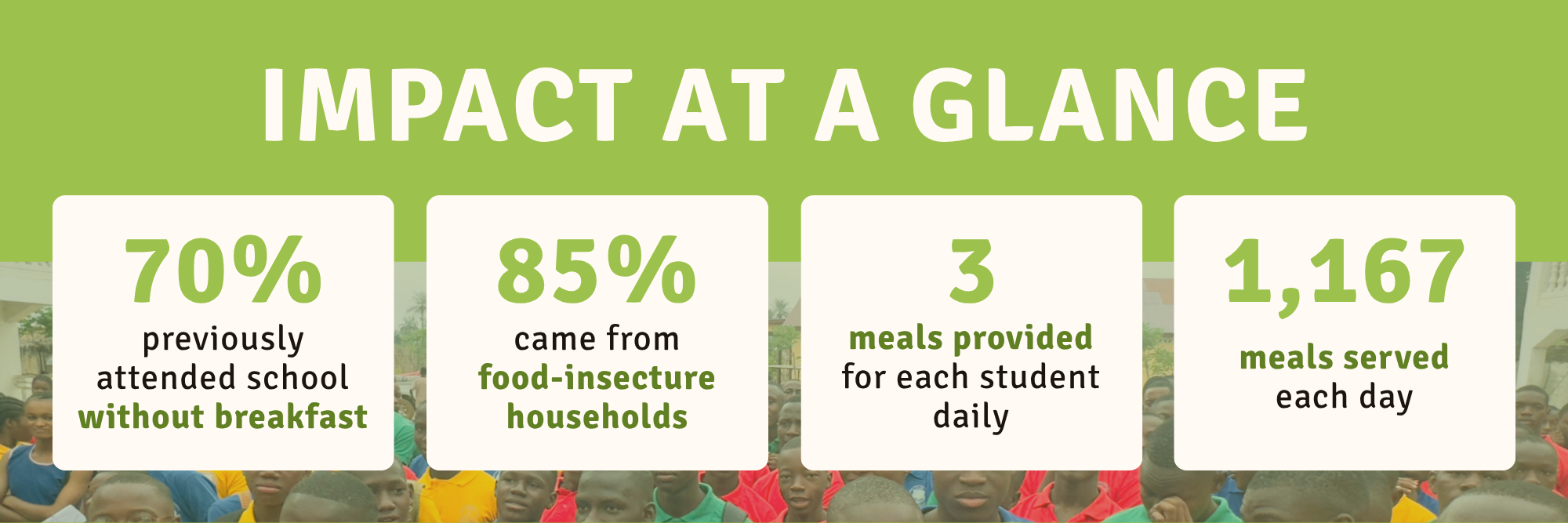
Before entering the boarding program, 70% of students attended school without eating breakfast, and approximately 85% came from food-insecure households. Common challenges included diets lacking in protein, limited access to food markets in rural communities, and families simply not having the financial resources to provide enough food each day.
Today, boarding students receive breakfast, lunch, and dinner every day.
In an effort to understand what difference the feeding program is making, we looked at the numbers and listened to the students, teachers, nurses, counselors, and parents who are impacted by the program.
What does three nutritious meals each day make possible for a student?
PREPARING THE MEALS
Each day, boarding students can count on three meals. That consistency is especially meaningful for students who previously had limited or unpredictable access to food.
The weekly menu is built around familiar foods, including cassava leaf, soup, yellow beans, Konchion beans, fried rice, and black-eyed beans, typically served with rice.

Meals are prepared through rehydration and boiling, with micronutrient sachets added and fresh local ingredients incorporated.
Food comes from a combination of sources, including donations from Rise Against Hunger, purchased food, and leaves from local farmers.
Behind the numbers are 12 staff members preparing and serving food day after day so students can sit down to a reliable meal.
IMPROVING STUDENT HEALTH
Students and staff are seeing encouraging differences in students’ physical health during their time at the boarding school.
The school nurse reports that students appear healthier during their stay than when they first arrive. She has observed increases in body weight and mass, increased energy levels, healthy growth, and a decrease in illness rates among boarding students.
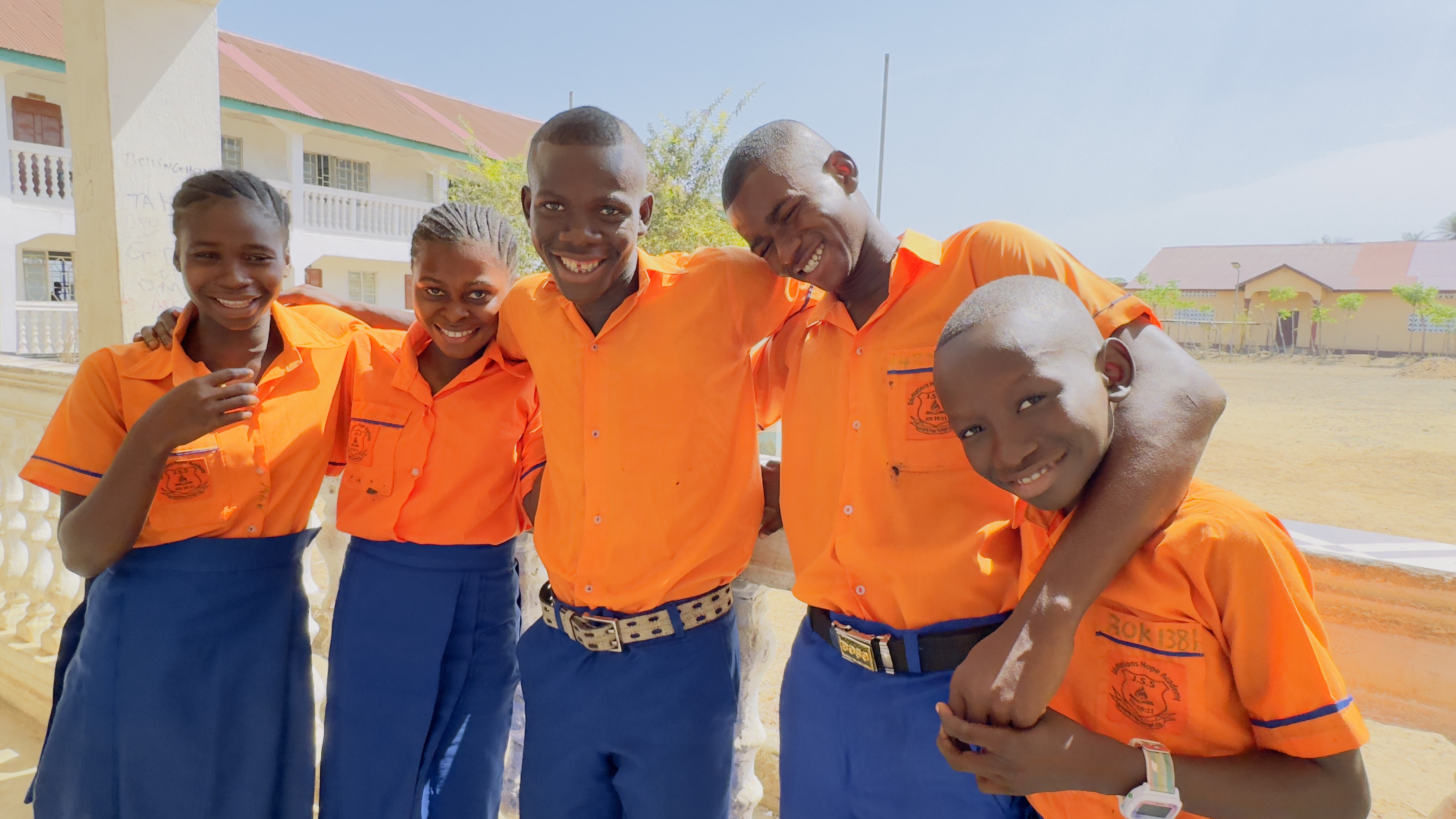
Students describe some of these differences themselves.
Isatu Koroma shared:
“I have experienced healthy physical growth, and remarkably, I no longer fall sick as frequently as I used to.”
The school clinic records provide another useful indicator.
Illness visits increased to 1,003 during Term 2 when Senior Secondary 1 students joined the boarding program. School health staff noted that many new students arrived with general health and nutritional difficulties related to the limited nutrition and resources available in their home communities. By Term 3, illness and sickness visits had fallen to 453.
The feeding program exists within a larger environment of healthcare, clean water, hygiene, safe housing, and attentive staff, so these outcomes should not be attributed to meals alone. However, the observations from students and health staff point to consistent nutrition as an important part of supporting students’ physical well-being.
READY TO LEARN
When hunger isn't the focus, learning can be.
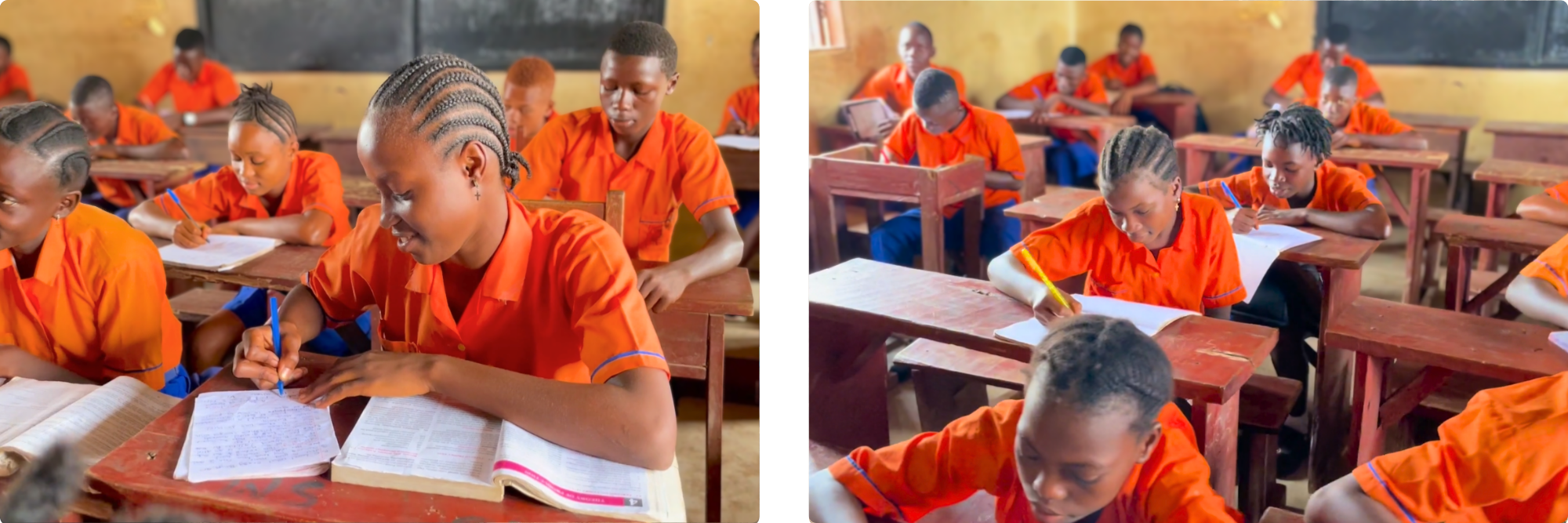
For students, one of the most important parts of the feeding program is knowing breakfast, lunch, and dinner will be provided. They no longer have to approach the school day with the same uncertainty about food they likely grew up with.
Osman Kargbo, a 19-year-old boarding student, explained what that means in the classroom:
“Yes, it has become much easier because I no longer face the stress and distraction of wondering where my next meal will come from.”
Teachers are noticing differences as well.
English Language and Christian Religious Studies teacher Hassan Kabbay reports that students are more attentive during lessons and more responsive during morning classes. He has also observed increased classroom participation, assignment completion, and academic confidence.
Brima Kargbo similarly reports that students are actively asking questions, participating in group work and presentations, and developing a greater ability to complete academic work independently.
Economics teacher Luke sees a connection between adequate food and students’ ability to complete their studies. He reports improved concentration and attention span and says that students are able to study longer when they are well fed.
Official boarding study time runs from 7:00–9:00PM, but many students choose to continue studying beyond those hours.
GROWING IN CONFIDENCE
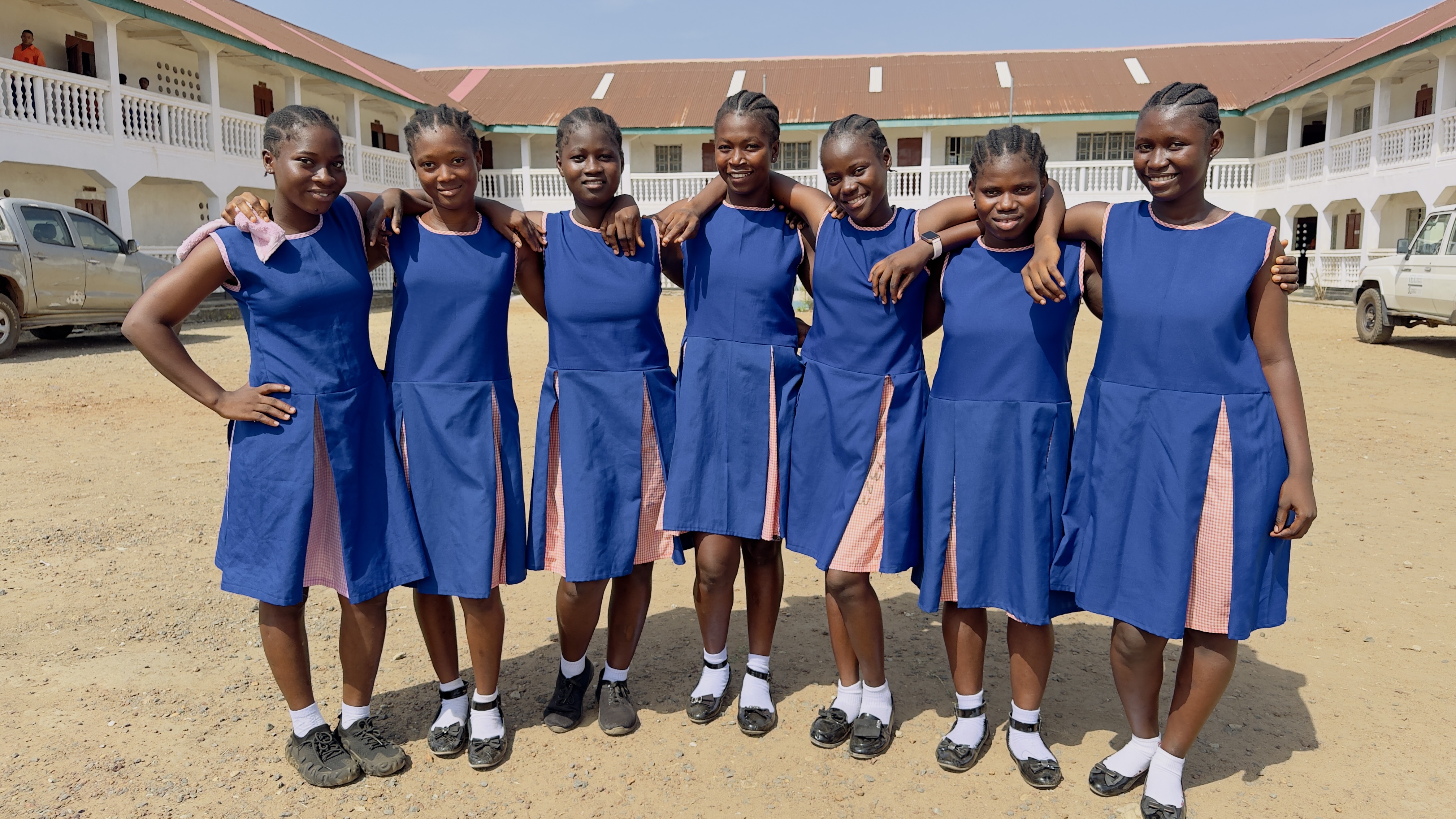
Reliable access to food can also remove a source of daily uncertainty.
Counselor and teacher Salamatu Koroma reports that students worry less about food during their time at boarding. She has also observed growing confidence, decreasing anxiety, stronger relationships, emotional resilience, and greater hope for the future.
She sees this development particularly among new Senior Secondary 1 students.
At the beginning of the school year, some students arrive uncertain about their opportunities and have difficulty adjusting to life away from their families and home communities. As the months pass, she sees students become more comfortable sharing their challenges, trusting the people around them, and realizing that God cares about them.
Upper-level students help create that environment as well. All the students live and work closely together, allowing younger students to learn from students who already have experience living in the boarding school.
Parents are seeing the value of this stability from home as well.
One mother of a boarding student shared:
“The feeding program has given me peace of mind because I know my child is well-fed and ready to learn every day.”
For families facing financial pressure, providing meals at the boarding school also means one significant daily expense is being met while their child continues their education.
BUILDING COMMUNITY
Meals happen within a much larger rhythm of shared life.
Boarding students live, study, worship, serve, eat, and grow together. Their dormitories include students across Senior Secondary levels 1-3 and bring together young people from different communities, languages, and tribal backgrounds.
Staff intentionally encourage students to respect one another across those differences.
This community becomes evident in ordinary moments such as eating meals together. On Saturdays, they clean together, cook together, and help one another with their studies. Students share responsibilities for their dormitories and common spaces, while student leaders also have opportunities to grow in leadership.
Boarding Coordinator Edward reports that living and eating together has strengthened friendships and that students have become more welcoming, supportive, and willing to help one another. He has also observed greater cooperation and a stronger sense of belonging.
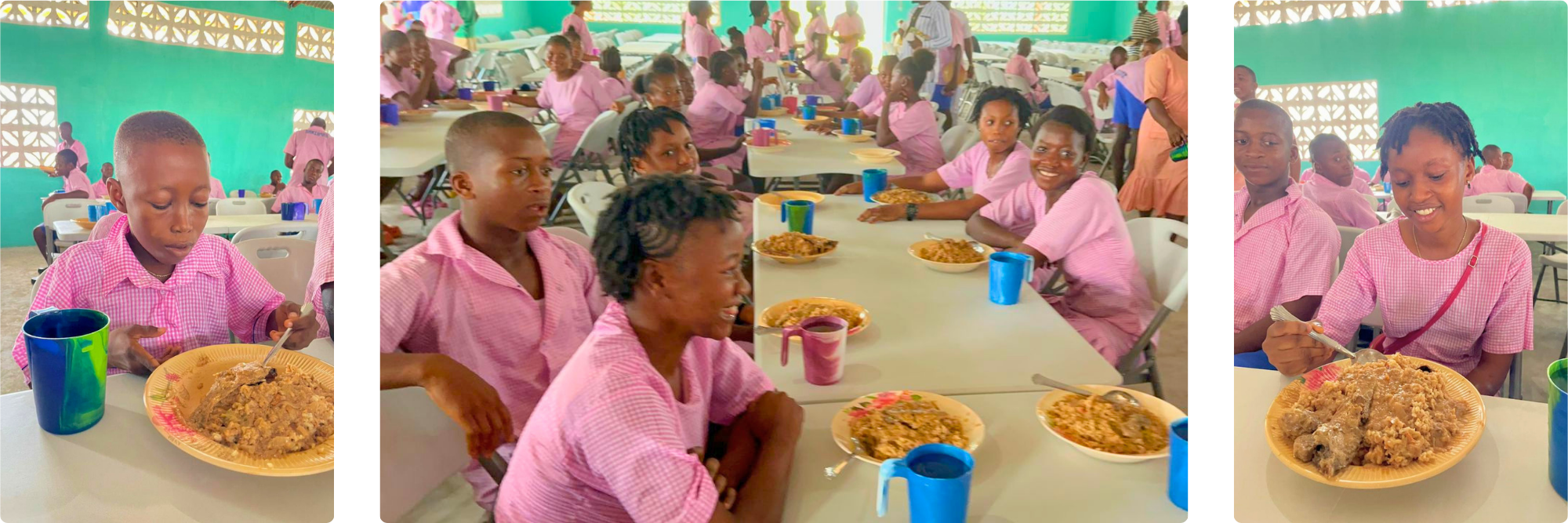
Faith is woven into this community as well. Each morning begins with prayer and singing to Jesus before students prepare for the day. They fetch water, clean their dormitories, eat, head to class, study, and eventually prepare to do it all again the next day.
The dining table is only one part of boarding life, but it is one of the places where that community gathers day after day.
SUPPORTING THE WHOLE CHILD
Three meals a day cannot accomplish everything for a student, but consistent nourishment can remove a significant obstacle from their path.
Combined with quality education, healthcare, safe housing, dedicated teachers, spiritual guidance, friendships, and time to study, consistent meals help create an environment where students can focus on learning, growing, and becoming who God has created them to be.
At EduNations, educating the whole child means caring for students intellectually, physically, socially, and spiritually. Providing breakfast, lunch, and dinner is a practical expression of that commitment, and one way God is faithfully providing for students as they pursue their education.
INCREASE THE IMPACT
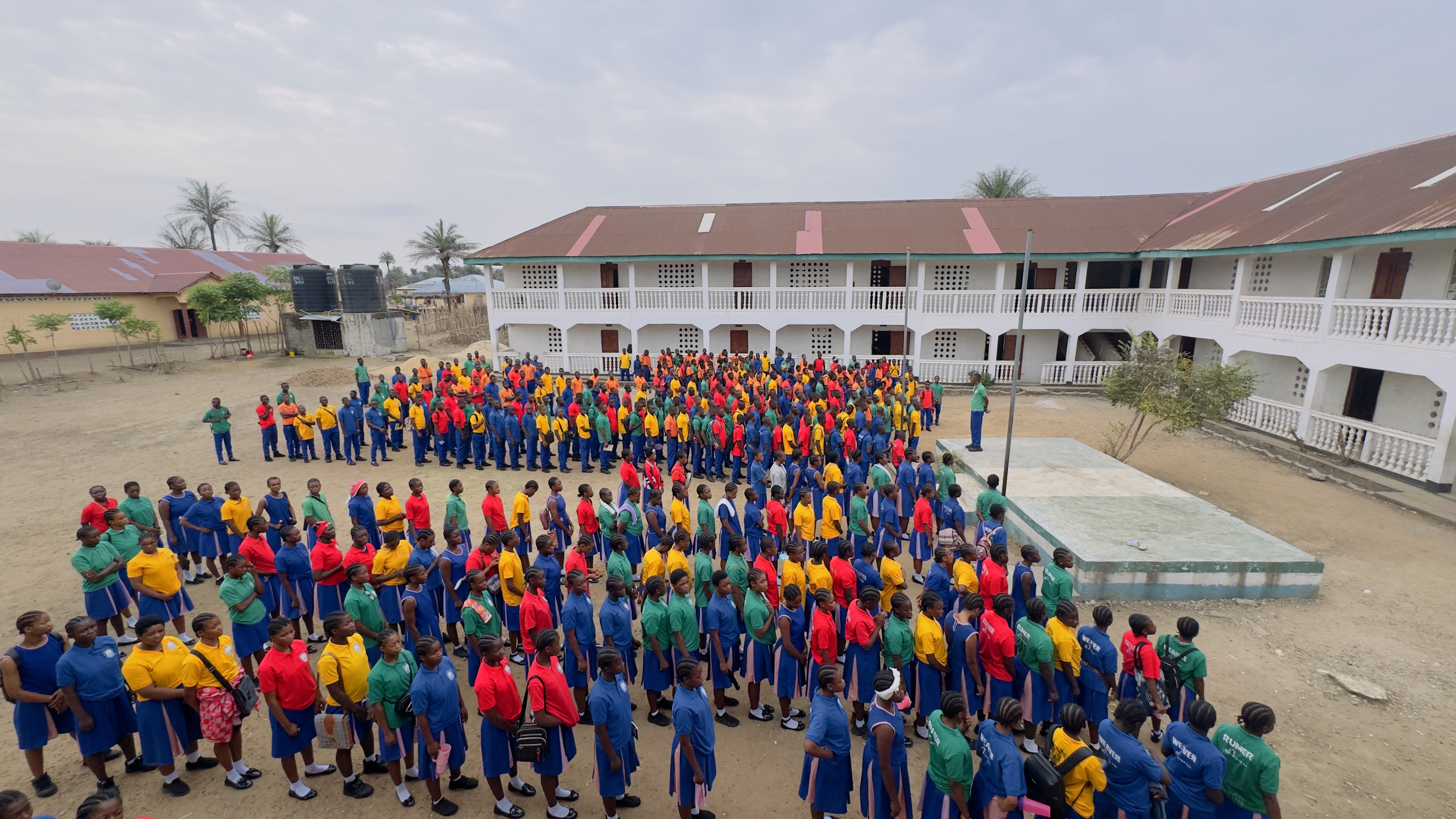
For students in grades 10–12, boarding at EduNations means more than having a place to attend school. It means receiving quality education, three meals each day, a safe place to live, opportunities to grow in faith, and the support of teachers and staff who walk alongside them.
Through boarding student sponsorship, you can come alongside one of these students throughout their senior secondary education.
Your sponsorship helps make this comprehensive care possible, giving students the stability and support they need to focus on learning, growing, and pursuing the future God has for them.
SPONSOR A BOARDING STUDENT: https://www.edunations.org/sponsorships?sponsorship_type=senior-secondary-boarding-student
Thank you for investing in students throughout Sierra Leone and helping create an environment where they can grow. We are grateful for God's faithful provision and for the many people He uses to make this work possible.